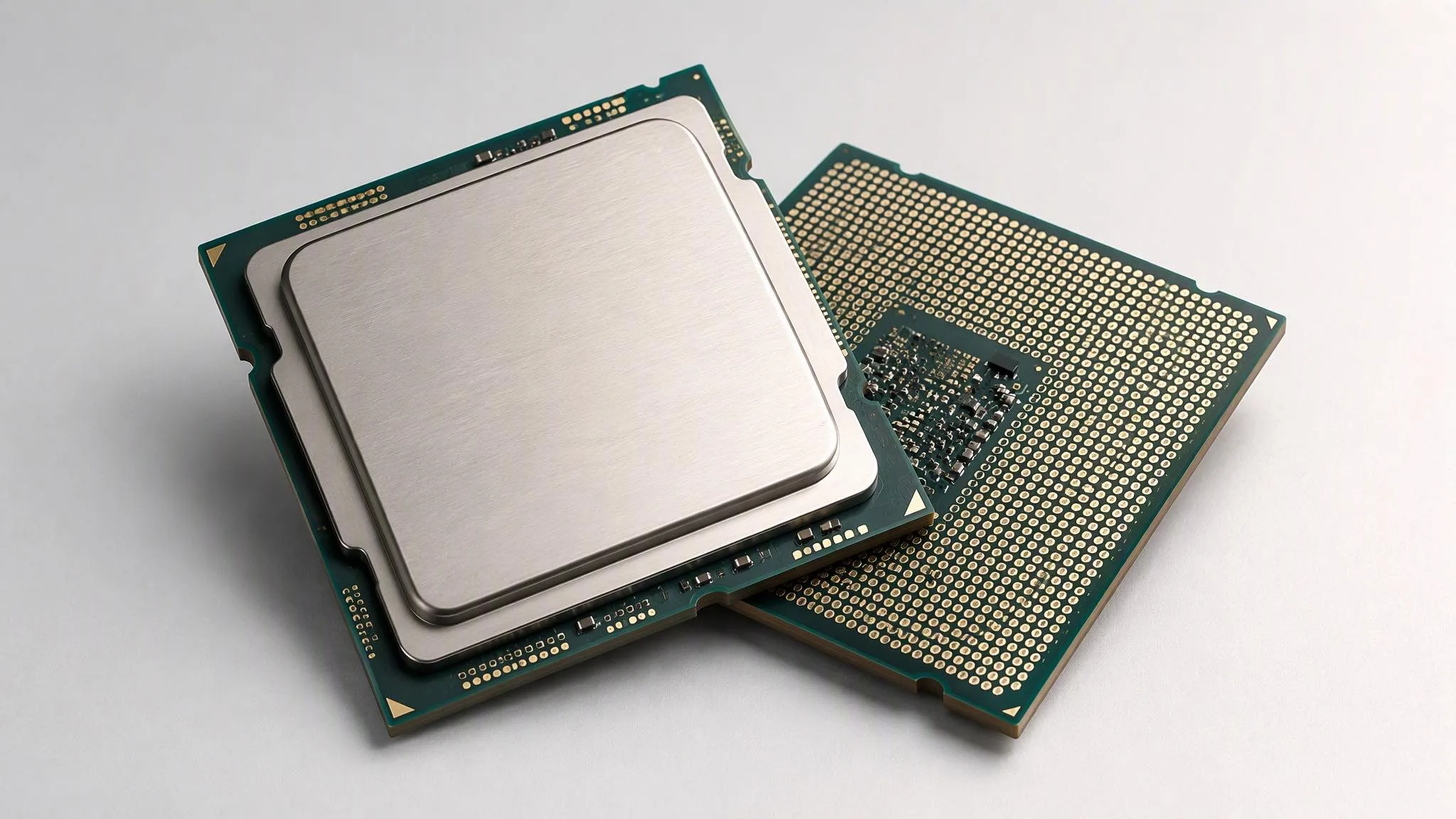
How to choose a server CPU for your workload
Start with the platform, not the part number. Socket and chipset decide everything downstream: SP5 (EPYC 9004/9005) and LGA4677 (Xeon 4th–6th Gen) give you DDR5 and PCIe 5.0; LGA3647 and SP3 remain the value play for legacy refreshes. Moving a fleet to a new socket means new boards, memory and usually coolers — so the cheapest processor is not always the cheapest upgrade.
Then match the silicon to the load. Virtualisation hosts want core density — high core-count parts amortise platform and licence cost across more VMs. Latency-sensitive databases and per-core-licensed software want the opposite: fewer, faster cores with large L3 cache. Nodes feeding GPUs need PCIe lane count more than cores.
For cluster builds, always quote with matched stepping and CPUID so every node boosts and trains identically — mixed steppings shift boost behaviour and power draw between otherwise identical servers. We reserve same-stepping tray stock for the whole build.
Decide the condition grade before comparing prices: processors have no wear-out mechanics, so a verified pull performs identically to new silicon at a fraction of the price. New tray parts make sense where factory warranty terms matter; pulls win almost everywhere else.
Send the BOM with target sSpec or OPN and quantity — we confirm availability, stepping and grade within 24 hours.
How to verify genuine server CPUs before buying in bulk