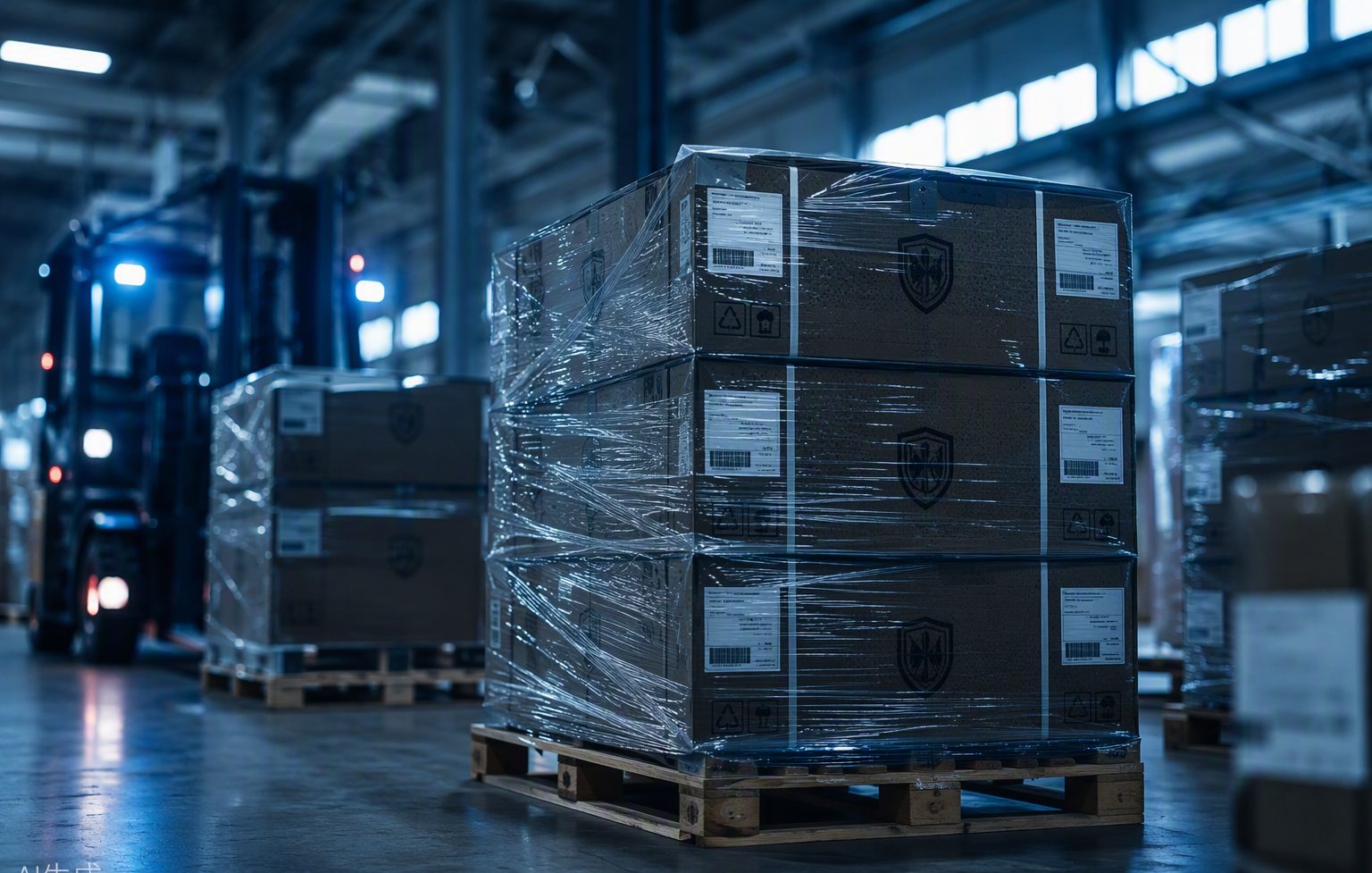
Incoterms look like fine print until a $40,000 CPU shipment sits in customs for three weeks with demurrage fees stacking up. For B2B buyers importing server hardware from China, the term you agree on decides who owns every cost and every headache between the factory floor and your dock.
This guide covers the four terms that matter for component imports — EXW, FOB, DAP and DDP — and when to use each.
The four terms that matter
| Term | Main carriage paid by | Risk transfers to buyer at | Import duty & customs |
|---|---|---|---|
| EXW (Ex Works) | Buyer — everything | The seller's factory door | Buyer |
| FOB (Free On Board) | Buyer — from port of loading | When goods pass the ship's rail at origin port | Buyer |
| DAP (Delivered at Place) | Seller — to named destination place | At destination, ready for unloading | Buyer |
| DDP (Delivered Duty Paid) | Seller — to named destination, duties paid | At destination, ready for unloading | Seller |
Everything else (FCA, CFR, CIF, CPT, CIP, DPU) is a variation on where these same costs and risks split.
FOB: the default — and its hidden costs
FOB is the traditional choice for experienced importers. The seller clears export and loads the vessel; you control ocean freight, insurance and import clearance.
FOB works well when you have:
- A freight forwarder relationship with negotiated rates
- An in-house or brokered import process at destination
- Enough shipment volume to fill consolidated containers efficiently
FOB costs people forget: origin handling surcharges, ocean freight volatility, destination port charges, customs bond, duty, and the labor of chasing three counterparties when something goes wrong. On a single pallet of SSDs, fixed per-shipment fees can add 8–15% to landed cost.
DDP: first-time importers should start here
Under DDP the seller delivers to your door with import duty and VAT already settled. One invoice, one counterparty, one tracking chain.
DDP advantages for component imports:
- Predictable landed cost — quote comparisons become honest apples-to-apples
- No customs surprises — HS classification (e.g. 8473.30 for CPUs, 8542.32 for memory modules) is the seller's problem
- Faster exception handling — a held shipment is one email, not three
The premium over FOB is usually 3–6% — often less than the admin cost of running your own clearance on small to mid volumes.